
One profile for every application
When you keep a complete profile, you apply with more confidence. You share the right details at the right time, without rewriting your story for each role.
A clearer snapshot
You present your experience in a simple, readable way. Employers spend less time guessing what you do best.
Less repeat typing
You stop filling the same fields again. You reuse your saved details when you apply.
Better fit signals
You highlight what matters for the role, like skills, work type, and availability. Employers can match you to the right jobs sooner.
Proof in one place
You keep the key documents that support your application. That reduces delays when an employer asks for them.
Control what you share
You choose what stays on your profile and what you update. You keep your information accurate and current.
Stay ready for the next role
A good profile saves time when a new opportunity shows up. You stay organised, and you keep your applications consistent.
- Update once
You change your details in one place, and your future applications reflect the latest version of your profile. - Show what matters
You focus on the parts of your experience that support your work, so employers see your strengths without sorting through noise. - Keep it consistent
You avoid mixed details across applications, which helps employers trust what they read and respond faster.

Your profile supports the full hiring flow
A profile is not only a resume. It is the record that helps you apply, follow up, and stay on track. You keep everything aligned from first application to final decision.
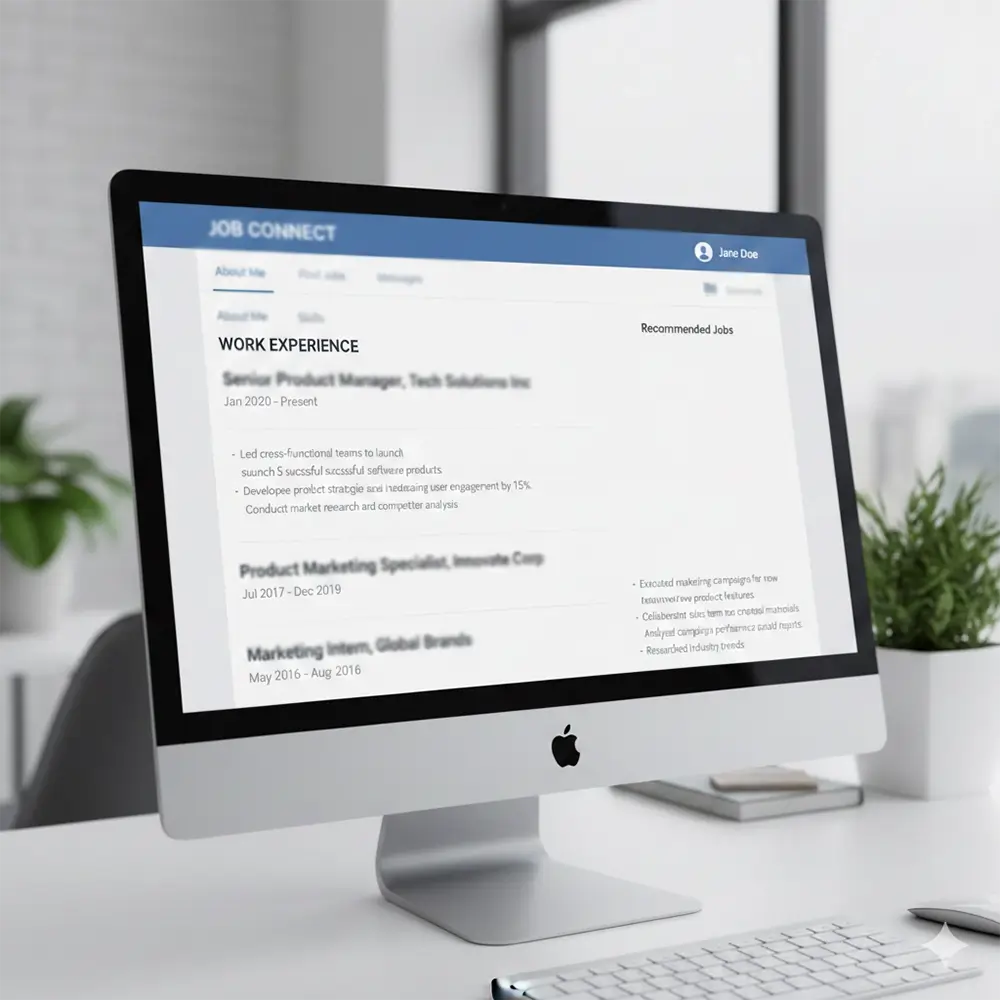
Work history that reads clearly
Your work history gives employers context, not just titles. You show what you handled and what results you delivered. That helps the right roles find you.
You can keep role details in a clean structure. This makes your experience easier to scan. It also helps employers compare candidates fairly.
You reduce gaps and confusion by keeping dates and responsibilities accurate. You control the story you tell. You avoid extra calls that only exist to clarify basics.
A clear history supports faster shortlisting. It also helps during interviews, because everyone starts with the same understanding of your background.
Skills and credentials employers look for
Skills help employers see what you can do right now. Credentials show that you meet role requirements. Together, they reduce friction in early screening.
You can highlight the skills you use most. You keep your strengths visible without writing long explanations. You keep it simple and direct.
When a role needs checks or documents, your profile helps you respond without delay. You spend less time searching for files. You keep the process moving.
Your profile also supports better matching. Employers can filter for what they need. You get considered for roles that fit your work.
Preferences that protect your time
Your preferences help reduce wrong fits. You set clear signals about the work you want. That saves you time on roles you would not accept.
You can keep notes that matter to your search, like work type or availability windows. This helps employers plan next steps. It also helps you avoid last minute surprises.
Clear preferences support better conversations. You start with alignment, not negotiation. You keep the process respectful for both sides.
When employers see your preferences early, they can respond with the right options. You avoid long threads that go nowhere. You stay focused on roles that match.
A single place for key details
When your details sit in one place, you stay organised. You reduce missed steps. You keep your applications easier to track.
You can store the information employers often ask for during hiring. This supports smoother follow ups. You do not have to rebuild your details each time.
A single profile also supports cleaner communication. You keep your details consistent across messages and applications. You reduce confusion when multiple people review your application.
This approach helps you feel in control. You know what you shared. You know what needs updating before you apply again.
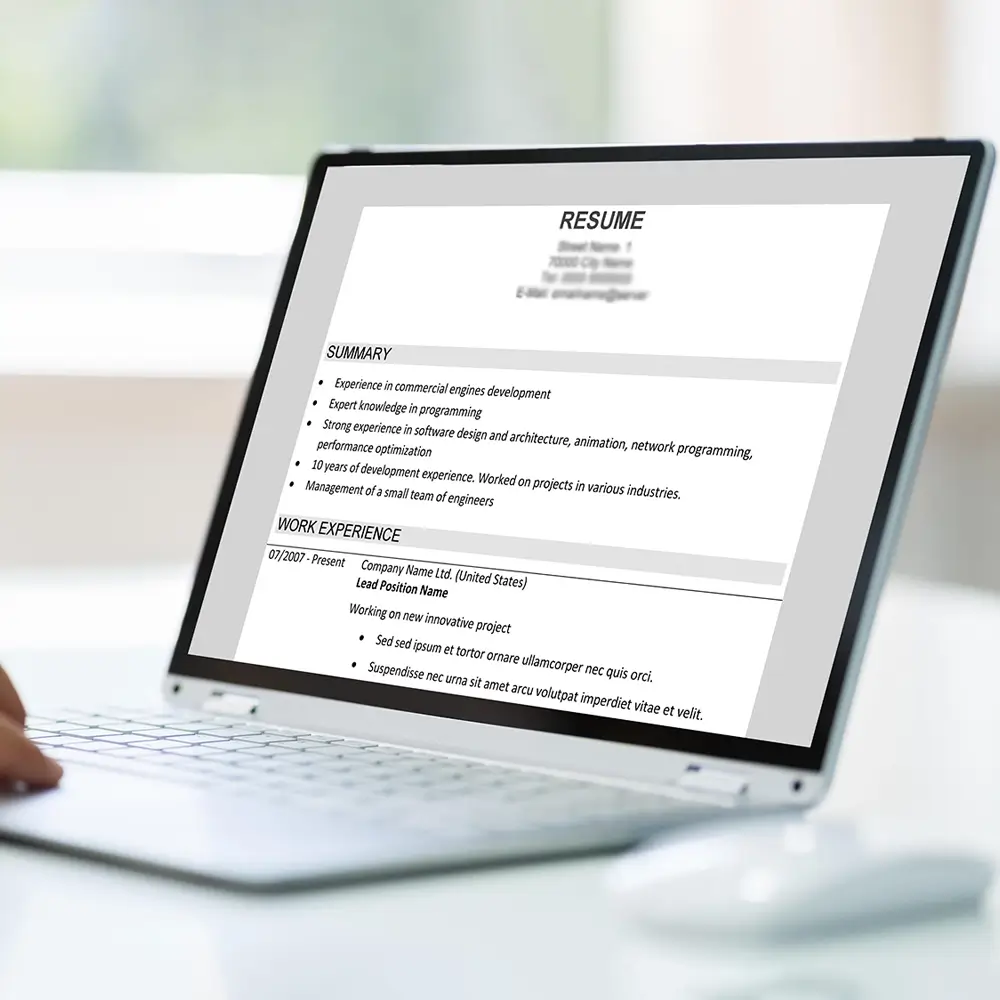
Build your profile once, use it every time
A strong profile helps you apply with less stress. You stop rewriting the basics and focus on roles that fit. You present your experience in a clear way that employers can trust.
You also stay ready when timing matters. When a job opens and you want to move fast, your profile is already in place. You submit with confidence, and you keep your details consistent from application to interview.